Introduction
Choosing the right commercial insurance can help Washington business owners manage financial risks and protect their daily operations. Whether you operate a trucking company, manage a delivery fleet, or own a small business, your insurance needs depend on your vehicles, employees, equipment, and business activities.
To choose suitable Washington commercial insurance, identify your main risks, compare coverage options, review policy exclusions, and confirm applicable state and federal requirements. Trucking businesses should pay particular attention to commercial auto liability, physical damage, cargo protection, and coverage for specific operating arrangements.
The goal is not simply to find the lowest premium. Instead, select coverage that fits your business, satisfies relevant obligations, and provides appropriate protection against covered losses.
What Is Washington Commercial Insurance?
Washington commercial insurance refers to insurance policies that help businesses manage financial losses arising from covered accidents, property damage, liability claims, and other business risks. The appropriate policies depend on the company’s industry, size, assets, and operations.
For example, a retail store may need property and general liability insurance. Meanwhile, a trucking company may require commercial vehicle coverage, motor truck cargo insurance, and additional protection based on its contracts and operating authority.
The Washington State Office of the Insurance Commissioner identifies several common business insurance categories, including property, liability, commercial auto, and business interruption coverage. Workers’ compensation is generally handled through Washington’s Department of Labor & Industries, subject to applicable rules and exceptions.
Businesses should assess each exposure separately rather than assuming one policy covers every risk. <Cite refs={[“turn627704search0”]}/>
How to Choose the Right Commercial Insurance Policy
Selecting coverage becomes easier when you follow a structured process. Start with your actual business activities, then compare policies based on protection, exclusions, and cost.
1. Identify Your Business Risks
Begin by listing the risks your company faces during normal operations. Consider your vehicles, premises, equipment, employees, customers, and contractual responsibilities.
A trucking company operating between Seattle, Tacoma, Spokane, and neighboring states may face different risks from a local service business. Long-distance driving, freight handling, vehicle repairs, and customer delivery requirements can influence insurance needs.
Ask yourself these questions:
- Do employees drive vehicles for business purposes?
- Does the company transport freight owned by customers?
- Do customers or brokers require specific insurance limits?
- Does the business own or lease expensive equipment?
- Could an accident or property loss interrupt operations?
These answers help establish which policies deserve priority.
2. Understand Commercial Auto Insurance in Washington
Commercial auto insurance protects eligible business vehicle operations against specified risks. Depending on the policy, it may include liability coverage, collision coverage, comprehensive coverage, and protection for certain listed vehicles or drivers.
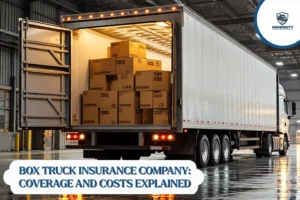
Businesses that use pickup trucks, delivery vans, box trucks, or semi trucks should disclose how each vehicle is used. A personal auto policy may not provide the protection required for regular commercial hauling or other business activities.
When reviewing auto insurance coverage in Washington, check the liability limits, covered drivers, vehicle schedules, operating territory, and exclusions. Also, confirm whether the policy covers hired or non-owned vehicles when employees use vehicles the business does not own.
For trucking companies, the correct policy must reflect the actual operation. A local delivery truck, an interstate tractor-trailer, and a construction dump truck may need different coverage arrangements.
3. Review Commercial Truck Insurance Requirements
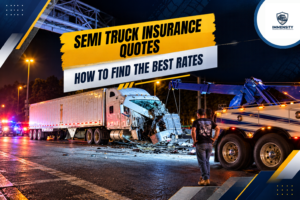
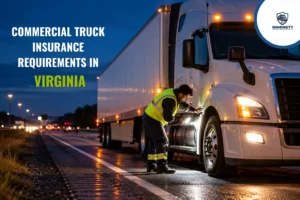
Commercial truck insurance Washington businesses need depends on the vehicle, cargo, type of carrier, and operating authority. State and federal rules may impose different requirements.
The Federal Motor Carrier Safety Administration (FMCSA) sets financial responsibility requirements for certain regulated interstate motor carriers. For example, many interstate for-hire property carriers operating vehicles with a gross vehicle weight rating of at least 10,001 pounds must maintain at least $750,000 in public liability financial responsibility for non-hazardous property transportation. Certain hazardous materials operations require higher limits. <Cite refs={[“turn627704search3”]}/>
However, not every trucking business follows the same requirements. Intrastate operations, specialized transportation, and different cargo categories may involve additional or different rules.
Before purchasing a policy, identify your operating authority and verify the applicable requirements. You should also check whether freight brokers, shippers, lenders, or leasing companies require higher limits than the legal minimum.
4. Consider Motor Truck Cargo Insurance
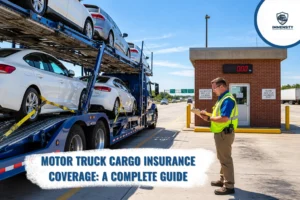
Motor truck cargo insurance is designed to cover eligible loss of or damage to freight while it is in a covered trucking operation, subject to the policy’s conditions and exclusions.
This coverage can matter when a carrier transports merchandise for customers. For example, a load damaged during an accident may create a financial dispute between the carrier and the cargo owner. Whether the policy responds depends on the cause of loss and the terms of coverage.
When comparing motor truck cargo insurance coverage, review:
- The maximum amount payable per load and occurrence
- Covered commodities and excluded goods
- Loading, unloading, and storage provisions
- Theft restrictions and security requirements
- Refrigeration or temperature-control conditions
- Deductibles and claim documentation requirements
Motor truck cargo insurance cost varies by factors such as cargo value, commodities, limits, routes, claims history, and deductible selection. Therefore, request quotes using consistent information so you can compare the available options accurately.
5. Understand Bobtail and Non-Trucking Liability Insurance
Truck owner-operators should understand the difference between bobtail insurance and non-trucking liability insurance. These terms are sometimes used interchangeably, but policy definitions and covered situations can differ.
Bobtail insurance generally refers to liability coverage for a tractor operating without a trailer, subject to the policy wording. Whether it applies during a particular trip depends on the policy’s conditions.
Non-trucking liability insurance generally addresses certain personal or non-business use of a leased truck when the motor carrier’s coverage does not apply. It does not automatically cover every trip made without a trailer.
Before requesting a bobtail insurance quote, clarify your lease agreement, operating status, and the protection provided by the motor carrier. Ask the insurer to explain exactly when coverage begins and ends.
Bobtail insurance cost can vary based on driving history, truck details, operating arrangements, limits, and other underwriting factors. Compare the actual policy terms rather than relying only on the coverage name.
Which Other Commercial Insurance Policies Should You Consider?
Commercial insurance needs extend beyond vehicles. Depending on the business, additional policies may address property losses, third-party claims, employee injuries, and interruptions to normal operations.
General Liability Insurance
Commercial general liability insurance generally addresses covered third-party bodily injury, property damage, and certain other liability claims arising from business activities.
For example, if a customer alleges that a business caused property damage during a service visit, the policy may respond depending on the circumstances and exclusions.
However, general liability insurance is not a substitute for commercial auto liability. Businesses should review both policies when their operations involve vehicles and customer-facing activities.
Commercial Property Insurance
Commercial property insurance can protect covered buildings, equipment, inventory, furniture, and other business property against specified losses.
A warehouse storing freight, for instance, may need coverage for its contents and equipment. Business owners should review property limits, deductibles, covered causes of loss, and exclusions for events such as flooding.
Standard commercial property insurance does not automatically cover every natural disaster or interruption. Consider the specific risks affecting your premises and inventory.
Workers’ Compensation and Business Interruption
Washington businesses generally must provide workers’ compensation coverage for employees through the state system, subject to applicable rules and exceptions. Employers should verify their responsibilities with the Washington State Department of Labor & Industries.
Business interruption coverage may help replace certain lost income or cover eligible operating expenses after a covered property loss disrupts operations. The policy usually includes conditions that determine when benefits apply and how long they last.
Review these options based on your workforce, premises, and ability to continue operating after an unexpected event.
Practical Tips for Comparing Commercial Insurance Quotes
Once you understand your coverage needs, compare quotes from suitable insurers. A lower premium may look attractive, but it should not outweigh important differences in protection.
Compare Equivalent Coverage
Request quotes using the same liability limits, deductibles, vehicle details, cargo information, and coverage options. Otherwise, differences in price may simply reflect differences in protection.
Review the total annual premium, down payment, installment fees, and any additional charges. This provides a clearer picture of the actual cost.
Also, review the insurer’s claims process, policy exclusions, and documentation requirements. Ask for clarification if a term is unclear.
Maintain Accurate Business Records
Keep vehicle information, driver details, mileage estimates, cargo descriptions, and claims records up to date. Accurate information helps insurers evaluate your application and reduces the risk of misunderstandings.
Notify your insurer when you add vehicles, change your hauling activities, expand your routes, or enter new contracts. These changes may affect your existing coverage.
For businesses operating in multiple states, insurance requirements and operating arrangements may become more complex. Reviewing your needs whenever the business changes can help prevent gaps.
Common Commercial Insurance Mistakes to Avoid
Business owners can overlook important details when they focus only on premium prices. Avoid these common mistakes when selecting a policy.
- Buying coverage without assessing risks: A policy designed for a different industry may not cover your actual business activities.
- Choosing the lowest quote automatically: Lower premiums may involve higher deductibles, narrower coverage, or lower limits.
- Ignoring cargo exclusions: Some commodities and loss circumstances may fall outside the policy.
- Assuming every truck is covered: Newly purchased, leased, or borrowed vehicles may require specific policy changes.
- Confusing bobtail and non-trucking liability: Coverage depends on the policy definition and the circumstances of the trip.
- Overlooking contractual obligations: Brokers, customers, and leasing companies may require specific limits or endorsements.
- Failing to update insurance details: Changes in drivers, vehicles, routes, or cargo can affect underwriting and coverage.
A careful review of the policy documents can help businesses understand what they are purchasing and identify potential gaps before a claim occurs.
Conclusion
Choosing the right Washington commercial insurance begins with understanding your business risks, identifying applicable requirements, and comparing policies on equal terms. Commercial auto liability, physical damage, motor truck cargo insurance, general liability, and other protections serve different purposes.
Trucking businesses should pay particular attention to operating authority, cargo restrictions, contractual obligations, and the difference between bobtail and non-trucking liability coverage. Meanwhile, other businesses should assess their property, employees, vehicles, and potential liability exposures.
Immensity Insurance is an industry resource for exploring commercial insurance considerations. A well-informed review of coverage limits, deductibles, exclusions, and policy conditions can help Washington business owners make decisions that align with their operations and budgets.