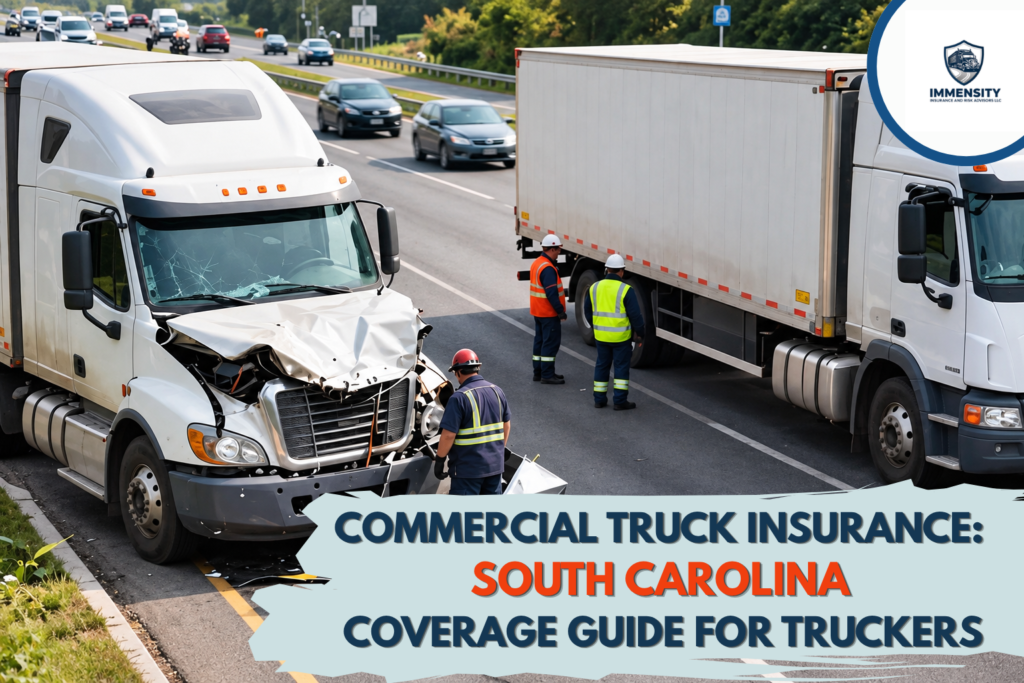
Running a trucking business in South Carolina requires more than a reliable truck and customers. Commercial Truck Insurance South Carolina helps protect truck owners and operators from financial losses caused by accidents, property damage, cargo problems, and other covered risks. Because every trucking operation is different, the right policy should match the vehicles, routes, cargo, and services you provide. In addition, understanding your coverage before a claim happens can make insurance easier to manage. This guide explains coverage options, policy costs, limits, and practical considerations. Therefore, South Carolina truckers can make informed decisions when reviewing insurance with a qualified provider.
Why Commercial Truck Insurance South Carolina Matters
Trucking involves several risks on every trip. A driver may face an accident, vehicle damage, cargo loss, theft, or damage to another person’s property. Therefore, insurance plays an important role in protecting the business from unexpected expenses.
Commercial Truck Insurance South Carolina can include several types of coverage. However, the exact policy depends on the truck, business activity, cargo, operating radius, and contractual requirements.
For example, a long-haul carrier may need different protection than a local contractor using a dump truck. Similarly, an owner-operator may have different needs from a fleet company with several drivers.
Moreover, trucking companies often work with brokers, shippers, manufacturers, and other businesses. These partners may require specific insurance limits before allowing a carrier to haul freight.
Understanding Commercial Truck Insurance Coverage
A commercial trucking policy may combine several coverages. Each one addresses a different type of risk.
- Primary liability: Helps cover injuries or property damage caused to others when the insured truck is responsible for an accident.
- Physical damage coverage: Helps protect the insured vehicle against covered collision, theft, vandalism, fire, and other specified losses.
- Motor truck cargo insurance: Helps protect freight while it is being transported, subject to policy terms and exclusions.
- General liability truck insurance: Can address certain third-party claims connected with business activities outside the normal operation of the truck.
- Trailer interchange insurance: Can provide protection when a trucking business has contractual responsibility for a trailer owned by another party.
Consequently, reviewing each coverage separately can help truckers understand what their policy actually does.
Commercial Truck Insurance South Carolina Liability Coverage
Liability protection is one of the most important parts of a commercial trucking policy. If a truck causes an accident, the business could face claims involving medical expenses, vehicle repairs, property damage, or legal costs.
Commercial auto liability insurance is designed to address covered third-party bodily injury and property damage claims arising from the use of an insured commercial vehicle. However, coverage limits and exclusions vary by policy.
In addition, trucking businesses may need to meet federal or state financial responsibility requirements, depending on their operations. Interstate carriers may also have additional federal requirements.
Therefore, truckers should confirm the limits that apply to their specific operation instead of choosing coverage based only on price.
Physical Damage Coverage for South Carolina Trucks
A truck is one of the most valuable assets for many transportation businesses. If that vehicle becomes seriously damaged, repairs can create a significant financial burden.
Physical damage coverage can help protect the truck against covered losses. Depending on the policy, this may include collision and comprehensive-type protection.
For instance, collision coverage generally addresses covered damage resulting from an accident. Comprehensive protection can apply to certain non-collision losses, such as theft, fire, vandalism, or weather-related events.
However, deductibles apply in many policies. A higher deductible may reduce the premium, while a lower deductible may increase the premium. Therefore, truck owners should consider both their budget and ability to handle an unexpected repair bill.
Motor Truck Cargo Insurance and Freight Protection
Cargo creates another important risk for carriers. A trucking company can be responsible for freight while it is in transit, depending on the contract, applicable law, and policy terms.
Motor truck cargo insurance can help protect against certain covered losses involving customers’ goods. Nevertheless, coverage is not automatically the same for every type of cargo.
For example, refrigerated products, electronics, machinery, food products, and hazardous materials can have different insurance considerations. In addition, some policies contain exclusions, limits, or special conditions for particular commodities.
The motor truck cargo insurance cost can also vary according to the type and value of freight, operating territory, claims history, coverage limits, deductibles, and other underwriting factors.
As a result, carriers should provide accurate information about the cargo they regularly transport when requesting a quote.
Trailer Interchange Insurance Considerations
Some trucking businesses use trailers owned by another company. In these situations, the carrier may have a contractual responsibility for the trailer.
Trailer interchange insurance can provide protection for certain physical damage losses involving a trailer that is in the insured’s possession under an interchange agreement.
However, this coverage is not the same as cargo insurance. Cargo coverage focuses on transported goods, while trailer interchange coverage can address the trailer itself.
Therefore, carriers should review their contracts and confirm whether trailer interchange protection is required.
How Much Does Commercial Truck Insurance Cost in South Carolina?
There is no single price for Commercial Truck Insurance South Carolina. Insurance providers evaluate several factors before offering a premium.
These factors can include:
- Type and value of the truck
- Number of vehicles
- Driver experience and records
- Operating radius
- Cargo type
- Annual mileage
- Coverage limits
- Deductibles
- Claims history
- Business experience
- Prior insurance history
Furthermore, the location and type of trucking operation can affect underwriting.
A local carrier may have different exposure from an interstate carrier. Likewise, a business hauling general freight may have different risks from a carrier transporting specialized equipment.
Because of these differences, trucking insurance companies generally need detailed business information before providing an accurate quote.
Choosing the Right Commercial Truck Insurance South Carolina Policy
Choosing coverage should involve more than comparing the lowest premium. Instead, truckers should consider whether the policy matches their actual operations.
First, identify every vehicle and trailer that needs coverage. Next, review the type of freight being transported. Then, determine the routes and states where the business operates.
After that, review the required liability limits and any contractual insurance requirements. Also, check deductibles, exclusions, endorsements, and coverage restrictions.
Commercial Truck Insurance South Carolina should provide practical protection for the specific risks faced by the business. Therefore, truckers should ask questions before purchasing or renewing a policy.
Questions to Ask Before Buying Coverage
Consider asking an insurance professional:
- What liability limits apply to my operation?
- Does my policy cover all of the cargo I transport?
- What exclusions should I understand?
- Do I need physical damage coverage?
- Is trailer interchange coverage required for my contracts?
- How does my deductible affect the premium?
- What documentation will I need when filing a claim?
These questions can make policy comparisons easier. In addition, they can help identify gaps that may not be obvious from a quote alone.
Commercial Truck Insurance South Carolina for Different Trucking Operations
Not every trucker needs the same insurance package. For example, a dry van carrier may have different needs from a construction company operating heavy dump trucks.
A dump truck business should consider the risks connected with construction sites, materials, local routes, and frequent loading and unloading. Importantly, businesses should select insurance based on where and how the truck operates.
Likewise, businesses operating in other states may need state-specific coverage. For example, a company researching dump truck insurance Texas or auto insurance coverage in Washington should review the requirements and risks applicable to those locations.
This distinction matters because an insurance policy should reflect the actual operating territory and business activities.
Ways to Manage Trucking Insurance Costs
Although insurance is an important business expense, truckers can take practical steps to manage costs.
First, maintain accurate driver records and encourage safe driving practices. A strong safety program can support better risk management.
Second, review claims history and address recurring causes of losses. For example, regular vehicle inspections can help identify mechanical problems before they contribute to an accident.
Third, compare coverage options carefully. However, do not remove important protection simply to obtain a lower premium.
In addition, keep business records organized. Accurate information about vehicles, drivers, mileage, cargo, and operations can help the insurance process run more smoothly.
Finally, review your policy when your business changes. Adding trucks, changing cargo, expanding routes, or hiring new drivers can affect insurance needs.
What to Review Before Renewing Your Policy
Policy renewal provides a useful opportunity to review your protection. First, check whether your vehicle list is accurate. Next, verify driver information and operating territories.
Also, review your cargo types and current contracts. If your business has expanded, your existing limits may no longer match your needs.
Commercial Truck Insurance South Carolina should be reviewed whenever the nature of the business changes. For example, adding specialized equipment may create different physical damage or liability considerations.
Moreover, check whether any endorsements have changed. Read the declarations page and policy documents carefully, and ask questions about unfamiliar terms.
Frequently Asked Questions
1. Is Commercial Truck Insurance South Carolina required?
Commercial trucking insurance requirements depend on the type of operation, vehicle, cargo, and operating territory. Interstate carriers may also have federal financial responsibility requirements. Truckers should verify the requirements that apply to their specific business.
2. What does commercial truck insurance usually cover?
A commercial policy can include liability, physical damage, cargo, and other coverage options. However, coverage depends on the policy terms, limits, deductibles, endorsements, and exclusions.
3. What affects trucking insurance costs?
Several factors can influence premiums, including truck type, vehicle value, driver history, operating radius, cargo, mileage, claims history, coverage limits, and deductibles.
4. Do I need motor truck cargo insurance?
Carriers that transport customer-owned freight may need cargo protection depending on their contracts and operations. The appropriate limit and coverage depend on the type and value of goods being transported.
5. Can my insurance needs change after I start my business?
Yes. Insurance needs can change when a business adds vehicles, hires drivers, changes cargo, expands its operating area, or accepts new contracts. Therefore, reviewing coverage regularly is important.
Protect Your Trucking Business With the Right Coverage
South Carolina truckers face different risks depending on their vehicles, cargo, routes, and business activities. For that reason, Commercial Truck Insurance South Carolina should be selected around the actual needs of the operation rather than a standard package.
Liability coverage can address certain third-party claims, while physical damage coverage can help protect the truck itself. Similarly, cargo insurance can provide protection for covered freight losses, and trailer interchange insurance can address certain risks involving another party’s trailer.
Furthermore, understanding deductibles, limits, exclusions, and endorsements can help business owners make better-informed insurance decisions. Regular policy reviews are also useful because trucking operations can change over time.
For South Carolina trucking businesses looking for help reviewing their coverage options, Immensity Insurance can assist with understanding commercial trucking insurance needs and available coverage solutions.