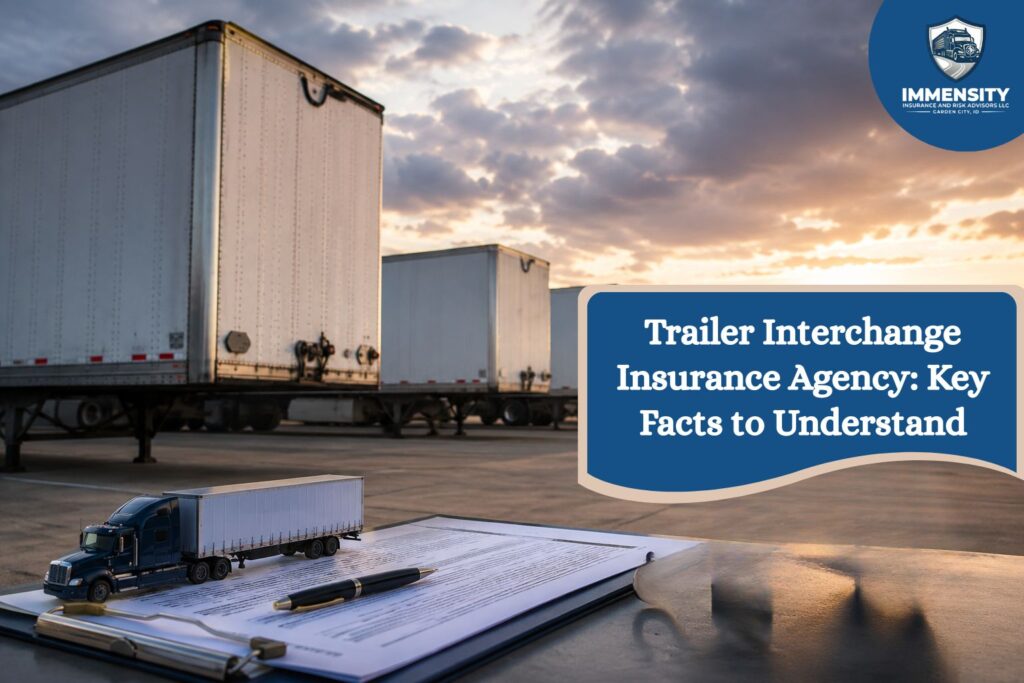
When you operate in the trucking industry, every trailer you haul represents responsibility. Many owner-operators and fleet owners pull trailers they do not own, making insurance protection even more important. While standard trucking insurance covers your truck, it may not protect the trailer belonging to another business. That’s where trailer interchange insurance becomes valuable.
Whether you are an independent owner-operator or manage multiple commercial vehicles, understanding trailer interchange coverage helps reduce financial risks and keeps your business moving. Moreover, choosing the right insurance package can prevent unexpected repair costs, legal issues, and business interruptions.
In this guide, you’ll learn how trailer interchange insurance works, who needs it, what it covers, and how it fits into a complete trucking insurance program.
What Is Trailer Interchange Insurance?
Trailer interchange insurance is a specialized policy designed for trucking businesses that transport trailers owned by another carrier or trucking company under a trailer interchange agreement.
Unlike cargo insurance, which protects the freight inside the trailer, trailer interchange insurance protects the trailer itself against covered physical damage while it is in your possession.
For example, if you hook your tractor to another company’s trailer and an accident damages the trailer, this coverage may help pay for repair or replacement costs, depending on the policy terms.
As a result, businesses that frequently exchange trailers can avoid significant out-of-pocket expenses.
Why Is Trailer Interchange Insurance Important?
Commercial trailers are expensive assets. Even a minor accident can lead to thousands of dollars in repair bills. Therefore, hauling another company’s trailer without proper insurance creates unnecessary financial risk.
Some common situations where trailer interchange coverage becomes important include:
- Pulling customer-owned trailers
- Working under trailer interchange agreements
- Intermodal transportation
- Freight exchange between carriers
- Long-haul commercial trucking operations
Furthermore, many brokers and carriers require proof of trailer interchange insurance before allowing drivers to haul their trailers.
Who Needs Trailer Interchange Insurance?
This coverage is beneficial for many transportation professionals.
Businesses that commonly need trailer interchange insurance include:
- Owner-operators
- Small trucking businesses
- Large transportation fleets
- Contract carriers
- Freight transportation companies
- Logistics providers
- Long-haul truck drivers
Additionally, companies that regularly swap trailers during deliveries often consider this protection essential.
What Does Trailer Interchange Insurance Cover?
Coverage varies between insurers, but most policies help protect against physical damage caused by covered events.
Typical protection may include:
Collision Damage
If another vehicle collides with the trailer while it is under your control, the policy may help cover repair expenses.
Fire Damage
Unexpected fires can severely damage commercial trailers. Insurance may help reduce replacement costs after covered losses.
Theft
If the trailer is stolen while legally in your possession, trailer interchange insurance may provide financial protection.
Vandalism
Intentional damage caused by vandalism may also be covered depending on the policy.
Weather Events
Storms, hail, wind, or falling objects can damage trailers. Some policies include these risks under comprehensive protection.
What Is Not Covered?
Although trailer interchange insurance provides valuable protection, every policy has exclusions.
Common exclusions may include:
- Normal wear and tear
- Mechanical breakdown
- Intentional damage
- Illegal activities
- Damage outside policy conditions
- Cargo inside the trailer
Therefore, always review policy details carefully before purchasing coverage.
Trailer Interchange Insurance vs. Motor Truck Cargo Insurance
Many trucking professionals confuse these two coverages, but they protect different assets.
| Trailer Interchange Insurance | Motor Truck Cargo Insurance |
|---|---|
| Protects the trailer | Protects the freight |
| Covers physical damage | Covers cargo loss or damage |
| Applies to non-owned trailers | Applies to transported goods |
| Used with interchange agreements | Used during freight transportation |
Because both risks are different, many trucking businesses carry motor truck cargo insurance coverage alongside trailer interchange insurance for broader protection.
How Trailer Interchange Insurance Works
Understanding how claims work makes this coverage easier to appreciate.
Imagine an owner-operator picks up a refrigerated trailer belonging to another carrier. During transportation, another driver causes an accident that damages the trailer.
Instead of paying the repair costs personally, the trailer interchange policy may help cover eligible expenses according to policy limits and deductibles.
Consequently, the business avoids a significant financial setback.
Factors That Affect Insurance Costs
Premiums differ from one trucking business to another.
Several factors influence pricing, including:
Value of the Trailer
Higher-value trailers usually require higher coverage limits.
Driving History
Drivers with clean safety records often qualify for better rates.
Operating Radius
Long-distance operations may involve greater risk than local routes.
Type of Freight
Some freight categories increase overall business risk.
Claims History
Previous insurance claims may affect future premiums.
Coverage Limits
Higher limits generally increase insurance costs.
Choosing the Right Coverage Limits
Selecting the right policy limit is just as important as buying insurance.
Business owners should consider:
- Average trailer value
- Contract requirements
- Type of trailers hauled
- Number of trailer exchanges
- Financial risk tolerance
Having insufficient coverage could leave your business responsible for expensive repairs after a major accident.
Why Owner-Operators Need This Protection
Independent truck drivers often work with multiple brokers and carriers throughout the year.
Because they regularly transport trailers owned by different businesses, trailer interchange insurance helps protect their operations from unexpected financial losses.
When combined with fleet insurance for owner operators, businesses gain broader protection for both vehicles and trailer-related responsibilities.
How Trailer Interchange Insurance Fits Into a Complete Insurance Plan
Trailer interchange insurance works best as part of a larger commercial insurance strategy.
Many trucking businesses combine it with several important policies.
Commercial Auto Liability Insurance
This protects against injuries and property damage caused to others during covered accidents. Understanding commercial auto liability insurance cost helps businesses build a well-balanced insurance package without exceeding their budget.
Physical Damage Coverage
This protects your own tractor against collision, theft, fire, and other covered events.
Cargo Insurance
Since trailer interchange insurance does not cover freight, many businesses also purchase motor truck cargo insurance coverage to protect transported goods.
General Liability Insurance
Although different from trucking liability insurance, general liability helps protect businesses against certain third-party claims that occur away from vehicle operations. Understanding general liability insurance cost can help companies budget for complete business protection.
Questions to Ask Before Buying Trailer Interchange Insurance
Not every policy offers the same protection.
Before choosing coverage, ask your insurance provider:
- What types of trailers are covered?
- What are the policy limits?
- Is theft included?
- Are weather-related damages covered?
- What deductible applies?
- Are there any exclusions for specific operations?
- Does the policy satisfy carrier contract requirements?
These questions help prevent surprises when filing a claim.
Common Mistakes Trucking Businesses Make
Many businesses unknowingly increase their financial exposure by making avoidable mistakes.
Some of the most common include:
Assuming Cargo Insurance Covers the Trailer
Cargo insurance protects freight, not the trailer itself.
Ignoring Contract Requirements
Many transportation agreements specifically require trailer interchange insurance.
Choosing Low Coverage Limits
Lower premiums may seem attractive initially, but insufficient coverage could create substantial financial losses later.
Not Updating Policies
Business growth often changes insurance needs. Regular policy reviews ensure coverage remains adequate.
Building a Strong Insurance Strategy
Trailer interchange insurance should never be viewed in isolation.
Successful trucking companies often combine several coverages that work together, including commercial auto liability, cargo protection, physical damage insurance, and business liability coverage.
Likewise, drivers may compare services offered by different bobtail insurance companies when they need protection while operating without a trailer attached.
Some businesses also review options from a best collision insurance company to strengthen protection against vehicle damage.
Meanwhile, individuals who own both personal and commercial vehicles sometimes maintain coverage through a personal auto insurance company in US for their non-business driving needs.
In addition, trucking entrepreneurs expanding their operations often compare policies from a commercial trucking insurance company in US to find solutions that match their fleet size and operational risks.
Even though personal insurance differs from commercial coverage, many people also search for an online insurance quote US when evaluating protection for privately owned vehicles.
Growing trucking businesses should also review their long-term expenses, including the owner operator truck insurance cost, since insurance needs usually evolve as operations expand.
Tips for Lowering Your Insurance Costs
Although every business is different, several practical steps may help reduce insurance expenses over time.
- Maintain an excellent driving record.
- Hire experienced drivers.
- Invest in regular vehicle maintenance.
- Use GPS tracking and safety technology.
- Review insurance annually.
- Bundle appropriate commercial policies.
- Choose deductibles that fit your financial situation.
- Keep accurate maintenance records.
Furthermore, improving safety practices may reduce claims and strengthen eligibility for competitive premiums.
Final Thoughts
Trailer interchange insurance provides valuable financial protection for trucking businesses that transport non-owned trailers. It helps cover physical damage to borrowed or exchanged trailers, supports contract compliance, and reduces the financial impact of unexpected accidents. When paired with cargo protection, commercial liability coverage, and other essential trucking policies, it becomes an important part of a comprehensive risk management strategy. Before purchasing a policy, compare coverage options carefully, understand policy exclusions, and choose limits that match your daily operations. For businesses seeking dependable guidance on commercial trucking insurance solutions, Immensity Insurance can help explore coverage options designed to support safer and more confident transportation operations.